
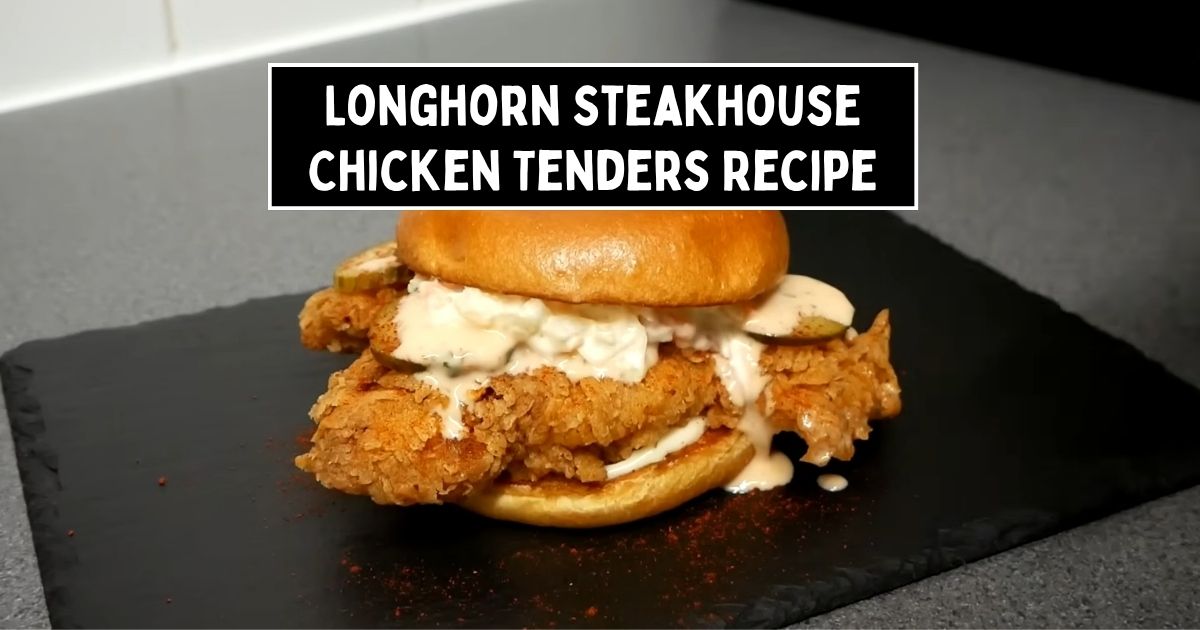
Longhorn Steakhouse Chicken Tenders Recipe
My kitchen smelled like a diner every Saturday morning last winter, thanks to one recipe my husband kept requesting. That recipe was my version of Longhorn Steakhouse Chicken Tenders Recipe, and it quickly became a small tradition in our house.
My son used to order the real thing every time we drove past the restaurant on Route 9. He’d ask for extra sauce and eat every bite before we got home, while my husband always managed to steal a fry from his plate.
One rainy Tuesday, the drive-through line wrapped around the building. We sat in the car for twenty minutes, and my son fell asleep before we even got our food. That night, I decided it was easier to make the chicken tenders at home.
I pulled out my old cast iron skillet, grabbed a carton of buttermilk from the fridge, and got started. The chicken turned out crispy on the outside, tender in the middle, and just right with a little dipping sauce on the side.
Now these homemade chicken tenders are an easy favorite whenever we’re craving that restaurant-style meal at home.

How My Version Compares With the Restaurant Tenders
I’ve ordered the restaurant version enough times to notice a few differences. Theirs uses a thinner batter, while mine leans a bit thicker for extra crunch.
The seasoning blend here uses paprika, cayenne, and celery, similar to what a diner-style kitchen keeps on hand. My version adds an extra pinch of mustard powder for tang.
Frying at home lets you control the oil freshly. The tenders taste less greasy than food from a fryer used all day.
Either way, this Steakhouse Recipe fits a weeknight dinner without a drive to pick it up.
Ingredients for Longhorn Steakhouse Chicken Tenders
- 3 pounds chicken breast tenders: These are the star of the dish, and the thin shape lets them cook through fast without drying out. I always grab Perdue tenderloins when the case looks fresh. Chicken thighs work here too, though they need extra brine time before they turn tender.
- 1.5 tsp salt, for the brine: This first hit of salt seasons the meat from the inside during the soak.
- 2 tsp cayenne pepper, for the brine: Cayenne adds warmth to the meat itself, working from the inside rather than sitting only on the crust.
- ¼ cup Tabasco hot sauce, plus 2 tablespoons more for the sauce: Tabasco’s vinegar base tenderizes the chicken during the soak and adds tang later in the dipping sauce. Any fermented hot sauce works in its place, though the flavor shifts slightly milder.
- 5 cups all-purpose flour, divided between the dredge, batter, and first coating: Flour builds the crust base over three separate passes, which explains the thick, craggy texture. I reach for King Arthur flour, since the protein content stays steady bag to bag. A 1:1 gluten-free flour blend swaps in for both, though the crust turns out slightly more delicate.
- 2 tsp mustard powder: Mustard powder gives the seasoning blend a background sharpness that plain black pepper cannot match.
- 2 tsp celery seed: Celery seed brings a faint, savory note that shows up in a lot of diner-style seasoning blends. Ground celery salt works too, though you should cut the added salt slightly.
- 1 tbsp garlic powder: Garlic powder spreads evenly through dry flour, landing flavor in every bite of crust. Fresh garlic clove shows up separately, later, in the dipping sauce.
- 2 tsp onion powder, plus ½ tsp more for the sauce: Onion powder rounds out the savory base of the dredge without adding the sharpness of raw onion. It dissolves fully, so no gritty bits end up in the crust.
- 2 tsp white pepper: White pepper carries heat without the visible black flecks, which keeps the crust looking pale gold instead of speckled. Black pepper works in a pinch, with a slightly sharper bite.
- 1 tbsp black pepper, plus 1 tsp more for the sauce: Black pepper adds sharp heat that balances the sweetness of the paprika and honey used elsewhere in the recipe.
- 2 tsp sweet paprika: Paprika gives the crust its warm color and a mild, slightly sweet base note.
- 2 tsp MSG (optional): MSG rounds out the savory notes in the whole coating without adding heat or salt. Leave it out entirely, and the tenders still taste good, just a touch less rounded.
- 2 tbsp dried oregano: Oregano adds a faint herbal note that keeps the seasoning blend from tasting one-note and purely spicy. Rub it between your palms first to wake up the oil in the leaves.
- 3 large eggs: Eggs bind the wet batter together and give it enough body to cling to the chicken through the second dredge. Room temperature eggs blend smoother than cold ones straight from the fridge.
- 1 cup soda water: The bubbles in soda water add lightness to the batter, which keeps the final crust from turning dense or doughy.
- 1 liter neutral oil, for frying: A neutral oil with a high smoke point keeps the coating from tasting burnt at frying temperature. I usually reach for a bottle of Crisco vegetable oil since it holds up through several batches.
- ½ cup buttermilk, for the sauce: Buttermilk gives the dip a tangy base and thins it enough to drizzle without a bottle of ranch dressing. A cup of milk mixed with a tablespoon of vinegar stands in well, left to sit for ten minutes.
- ½ cup mayonnaise: Mayonnaise thickens the sauce and carries the fat that makes the whole thing taste rich instead of watery. Full-fat Hellmann’s is my go-to, though Greek yogurt cuts the richness for a lighter dip.
- 1 garlic clove, minced: Fresh garlic in the sauce gives a sharper bite than the powdered garlic used in the dredge.
- 1 tbsp honey: Honey balances the heat from the hot sauce and rounds the whole dip into something closer to a fry sauce. Local wildflower honey is what I usually grab at the farmers market.
- A small handful fresh parsley, chopped: Parsley adds a fresh, slightly bitter note that cuts the richness of the mayonnaise and buttermilk. Flat-leaf holds up better than curly here, with less bitterness.
- 2¼ tsp salt, divided between the dredge, batter, and sauce: Each stage needs its own hit of salt, since flour and egg both dull seasoning as they cook. Taste the dry dredge mix before using it; it should taste seasoned on its own.
The Equipment I Use for Frying at Home
- Cast iron skillet or Dutch oven: holds steady heat
- Instant-read thermometer: checks oil and doneness
- Wire cooling rack: keeps the crust from steaming
- Three shallow bowls: for flour, batter, and dredge
- Metal tongs: turns tenders without piercing crust
- Paper towel-lined plate: drains extra oil
- Lidded bowl: for overnight brining in the fridge
How to Make Longhorn Steakhouse Chicken Tenders
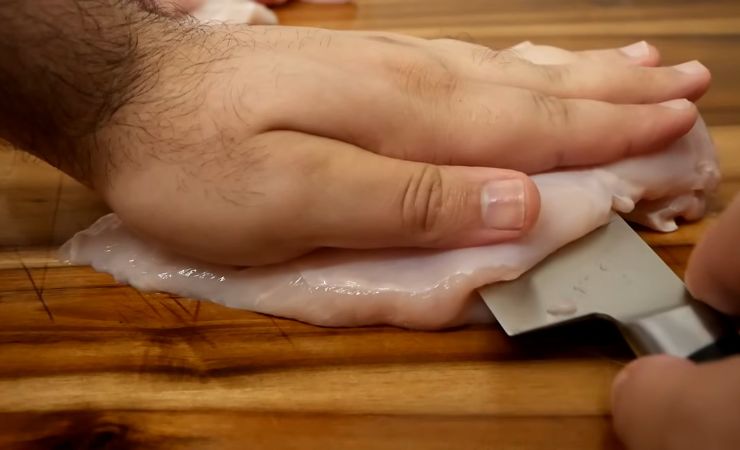
1. Cut and Trim the Chicken: Pull the tenders away from each breast with your hands, then slice the rest into thick strips of similar size. Use a sharp knife when a piece resists pulling apart by hand.
The tenders should look uniform, roughly the width of two fingers, before they hit the brine.
2. Brine the Chicken: Toss the chicken with salt, cayenne, and Tabasco in a bowl, using gloves to work the mixture into every piece. Cover and refrigerate for at least four hours, though overnight gives a deeper flavor.
The chicken should feel slightly firmer after brining, with a faint red tint from the hot sauce.
3. Mix the Seasoned Dredge: Whisk the flour with every dry spice in a wide bowl, breaking up any clumps of paprika or oregano, until the color turns an even reddish tan. Taste a pinch; it should taste fully seasoned, not just floury.
A properly seasoned dredge smells peppery and slightly tangy from the mustard powder.
4. Make the Wet Batter: Crack the eggs into a bowl, whisk in salt and soda water, then stir in the flour. Stop mixing once the lumps disappear, since overmixing makes the coating tough.
5. Heat the Oil: Pour the oil into a heavy pot and bring it to 325°F over medium-high heat, checking often with a thermometer.
Oil past 350°F browns the crust too fast, so pull the pot off heat briefly.
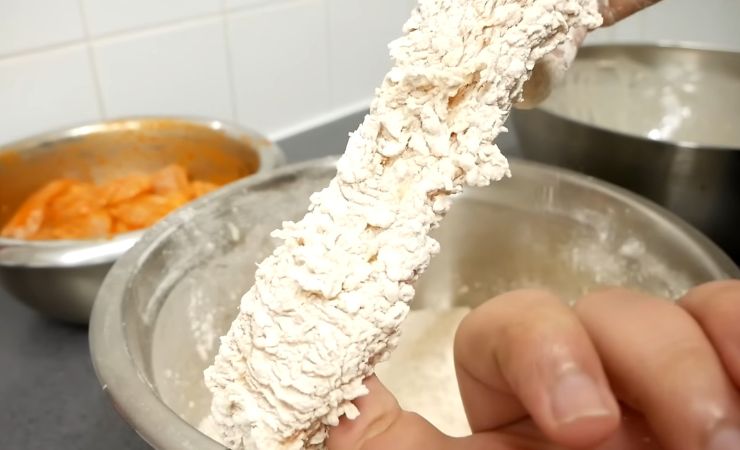
6. Coat the Chicken in Three Stages: Dredge each piece in plain flour, shake off the extra, then dip it into the wet batter. Finish with a firm press into the seasoned dredge so the coating sticks.
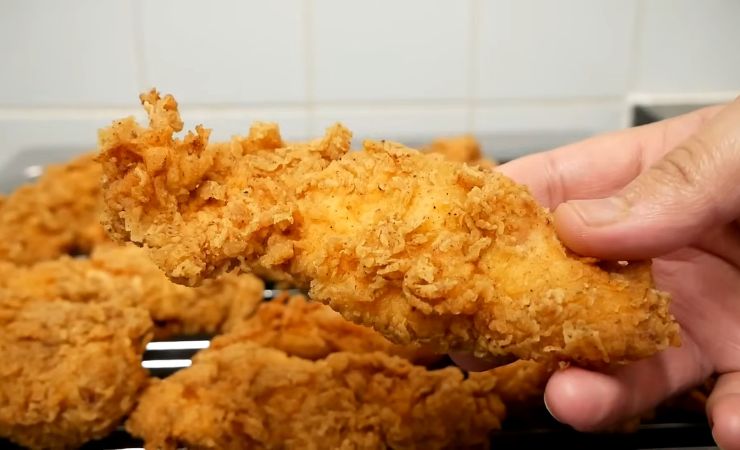
The final coating should look shaggy and thick, almost like small craggy rocks.
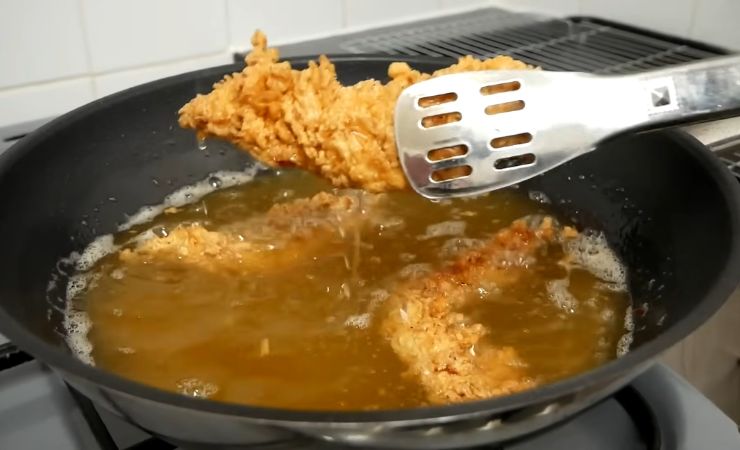
7. Fry in Small Batches: Lower three or four tenders into the hot oil at once, since crowding the pot drops the temperature fast. Fry for six minutes, flipping once, until deep golden brown.
Internal temperature should read 165°F, and the crust should sound crisp, not soft, when tapped with tongs.
8. Skim the Oil Between Batches: Scoop out loose crumbs with a mesh strainer before adding the next batch, since leftover bits burn fast. Burnt crumbs turn the oil bitter and darken every batch after that.
9. Drain and Rest: Lift the tenders onto a wire rack, not a paper towel, so steam escapes underneath. Sprinkle a little extra salt on top right away, while the coating is still hot.
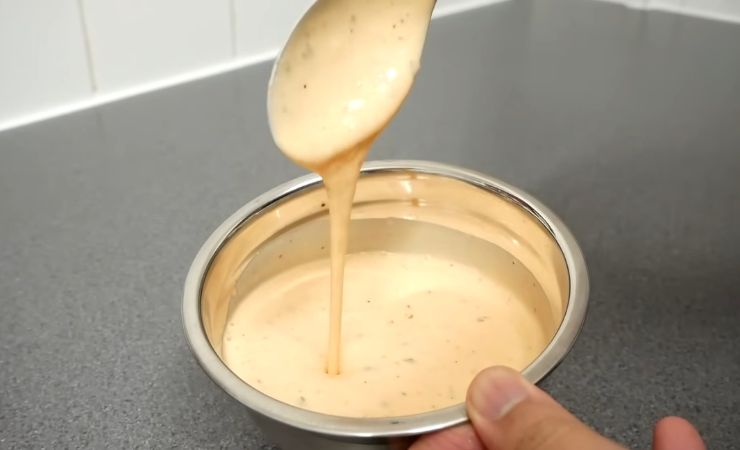
10. Make the Dipping Sauce: Whisk the buttermilk and mayonnaise into a smooth base, then stir in the garlic and honey. Season with the remaining spices, then taste for balance before serving.
My Best Tips for a Crisp Coating and Juicy Chicken
- Crust Sliding Off: Pat the brined chicken fully dry before the first flour dip. Wet spots stop the coating from sticking.
- Batter Too Thick: Thin it with an extra splash of soda water until it drips off a spoon evenly.
- Dredge Tastes Bland: Add a bit more cayenne and salt directly to the dry mix, then taste again before coating.
- Uneven Browning: Rotate each tender halfway through frying, since spots near the pot edge cook faster.
- Center Reads Pink at 165°F: Recheck the thickest part of the tender, not the tapered end, for an accurate reading.
- Sauce Looks Watery: Whisk in another tablespoon of mayonnaise until the texture thickens back up.
Easy Ways to Change Up the Flavor
1. Nashville Hot Style: Toss fried tenders in melted butter with extra cayenne and brown sugar. The heat jumps noticeably. Good for a game-day plate with white bread and pickles.
2. Honey Mustard Swap: Swap the dip for equal parts honey and yellow mustard, plus a spoon of mayonnaise. The flavor turns sweeter and milder, good for a kid-friendly plate.
3. Parmesan Crust: Mix grated parmesan into the dry dredge. The crust turns saltier and slightly nutty, good alongside warm marinara for dipping.
4. Buffalo Style: Toss finished tenders in melted butter and buffalo hot sauce. The flavor turns sharp and tangy, best with celery sticks and blue cheese.
5. Gluten-Free Version: Use a 1:1 gluten-free flour blend in place of regular flour. The crust turns slightly more delicate but still crisps well.
6. Double-Dredge Crunch: Dip each piece through the batter and dry dredge a second time before frying. The crust grows noticeably thicker, good for anyone chasing extra crunch.
What to Serve With Homemade Chicken Tenders
Curly fries make an easy side dish, especially with a spoonful of the dipping sauce on top. Baked sweet potato fries work well too, with a milder, sweeter contrast.
A crisp coleslaw balances the fried coating with something cold and slightly sour. Cabbage and carrot both hold up well without turning soggy next to warm chicken. A dab of ranch on the slaw adds even more tang for those who want extra sauce.
Pickles on the side add a sharp bite that cuts through the richness of the crust. Bread and butter pickles work best, since their sweetness plays well with the cayenne. Cornichons work in a pinch, though the flavor turns a little more tart.
For a full plate, set the tenders next to fries and slaw, with sauce in a small bowl for dipping. A pickle spear on the side adds one more sharp note to the mix. A cold glass of sweet tea rounds out the plate nicely.
How to Store, Freeze, and Reheat Leftover Tenders
Leftover tenders keep for about 3 days in a sealed container in the fridge. A glass container works better than plastic wrap for this. The crust softens a little more with each passing day.
A 375°F oven brings back some crunch in about eight minutes. That works better than a microwave, which turns the coating soft and chewy. An air fryer at 375°F for about six minutes works well too.
Freeze the cooked tenders for up to 2 months, laid flat on a tray before bagging. This keeps pieces from clumping together in one frozen block inside the bag. Reheat straight from frozen in a 400°F oven for about fifteen minutes.
The dry dredge mix also keeps well in a sealed jar for several weeks in a cool pantry, ready for the next batch. It also works fine for a half batch of chicken, without measuring everything from scratch again.
How I Turn Leftover Tenders Into Another Meal
Chopped leftover tenders turn into a solid chicken wrap with lettuce and extra sauce inside a flour tortilla. This works best within the first 2 days, while the crust still holds some texture. A quick swipe of sauce brings back moisture to the chicken.
Leftover tenders also work well sliced over a green salad, with extra dressing to make up for the softer crust. A squeeze of lemon brightens the whole plate. Toasted pecans or a handful of shredded cheese add extra crunch back to the mix.
Either way, use leftovers within 3 days for the best texture, since the coating turns soft quickly after that point.
Recipe FAQs
1. Do I need to wash the chicken before cooking?
Washing raw chicken isn’t necessary and can spread bacteria around the sink through splashing water. Patting it dry with paper towels removes surface moisture just as well. Cook it fully instead, using a thermometer to confirm safety.
2. How spicy is this recipe?
The heat stays mild, mostly from the cayenne in the brine and dredge. Add more cayenne to either stage for a sharper bite. The full dredge and brine together land closer to a mild kick than a true heat bomb.
3. Can I prep the batter and dredge ahead of time?
The dry dredge keeps in a sealed container for a few days. The wet batter is best mixed fresh, right before frying, since soda water loses its fizz over time. Mixing it too far ahead flattens the bubbles that give the coating its light texture.
4. What’s the best oil for frying chicken tenders?
A neutral oil with a high smoke point works best, since it won’t burn at 325°F. Vegetable and canola oil both handle the heat well, and peanut oil works fine too. Avoid strong-flavored oils like olive oil, since high heat turns their taste bitter fast.
5. Can I reuse the frying oil for another batch?
Strained oil can be reused once or twice more, stored in a sealed container in a cool spot. After that, it starts to taste burnt and stale. Strain out any leftover crumbs first, or the flavor carries over into the next batch.
6. Can I freeze the chicken before frying it?
Raw breaded tenders freeze well for up to a month, laid flat on a tray first. Fry them straight from frozen, adding two extra minutes to the cook time. This works well for prepping a big batch on a slower afternoon ahead of time.
7. Why is my chicken dry inside after frying?
Overcooking past 165°F pulls moisture out of the meat quickly. Pull the tenders the moment the thermometer hits that number, not later. Thicker tenders forgive small timing mistakes better than thin, uneven strips do.
These tenders aren’t just a fried chicken side, they’re a full plate once the sauce and slaw show up. The crust holds its crunch far longer than most breaded chicken I’ve fried at home.
Longhorn Steakhouse Chicken Tenders Recipe
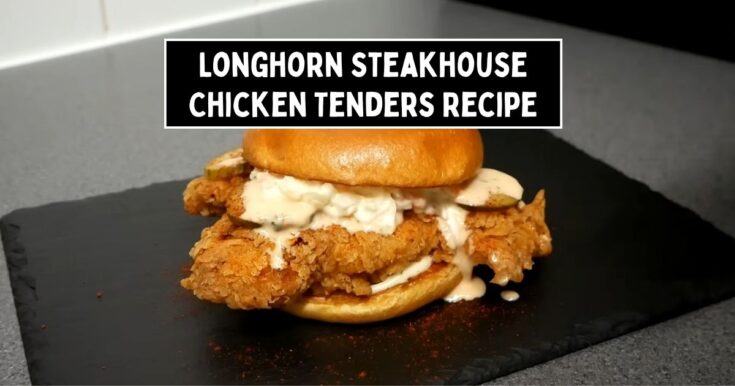
Longhorn Steakhouse Chicken Tenders Recipe with crispy seasoned breading, juicy chicken, and a creamy homemade dipping sauce.
Ingredients
For the Chicken Brine
- 3 pounds chicken breast tenders
- 1 ½ teaspoons salt
- 2 teaspoons cayenne pepper
- ¼ cup Tabasco hot sauce
For the Dredge
- 3 cups all-purpose flour
- 2 teaspoons mustard powder
- 2 teaspoons celery seed
- 1 tablespoon garlic powder
- 2 teaspoons onion powder
- 2 teaspoons white pepper
- 1 tablespoon black pepper
- 2 teaspoons sweet paprika
- 1 tablespoon cayenne pepper
- 2 teaspoons MSG, optional
- 2 tablespoons dried oregano
- 1 tablespoon salt
For the Wet Batter
- 1 cup all-purpose flour
- 3 large eggs
- 1 teaspoon salt
- 1 cup soda water
For the First Coating
- 1 cup all-purpose flour
For Frying
- 1 liter neutral oil
For the Dipping Sauce
- ½ cup buttermilk
- ½ cup mayonnaise
- 1 garlic clove, minced
- 2 tablespoons Tabasco hot sauce
- ½ teaspoon onion powder
- 1 teaspoon black pepper
- ½ teaspoon salt
- 1 tablespoon honey
- 1 small handful fresh parsley, chopped
Instructions
- Cut and Trim the Chicken: Pull the tenders away from each breast with your hands, then slice the rest into thick strips of similar size. Use a sharp knife when a piece resists pulling apart by hand. The tenders should look uniform, roughly the width of two fingers, before they hit the brine.
- Brine the Chicken: Toss the chicken with salt, cayenne, and Tabasco in a bowl, using gloves to work the mixture into every piece. Cover and refrigerate for at least four hours, though overnight gives a deeper flavor. The chicken should feel slightly firmer after brining, with a faint red tint from the hot sauce.
- Mix the Seasoned Dredge: Whisk the flour with every dry spice in a wide bowl, breaking up any clumps of paprika or oregano, until the color turns an even reddish tan. Taste a pinch; it should taste fully seasoned, not just floury. A properly seasoned dredge smells peppery and slightly tangy from the mustard powder.
- Make the Wet Batter: Crack the eggs into a bowl, whisk in salt and soda water, then stir in the flour. Stop mixing once the lumps disappear, since overmixing makes the coating tough.
- Heat the Oil: Pour the oil into a heavy pot and bring it to 325°F over medium-high heat, checking often with a thermometer. Oil past 350°F browns the crust too fast, so pull the pot off heat briefly.
- Coat the Chicken in Three Stages: Dredge each piece in plain flour, shake off the extra, then dip it into the wet batter. Finish with a firm press into the seasoned dredge so the coating sticks. The final coating should look shaggy and thick, almost like small craggy rocks.
- Fry in Small Batches: Lower three or four tenders into the hot oil at once, since crowding the pot drops the temperature fast. Fry for six minutes, flipping once, until deep golden brown. Internal temperature should read 165°F, and the crust should sound crisp, not soft, when tapped with tongs.
- Skim the Oil Between Batches: Scoop out loose crumbs with a mesh strainer before adding the next batch, since leftover bits burn fast. Burnt crumbs turn the oil bitter and darken every batch after that.
- Drain and Rest: Lift the tenders onto a wire rack, not a paper towel, so steam escapes underneath. Sprinkle a little extra salt on top right away, while the coating is still hot.
- Make the Dipping Sauce: Whisk the buttermilk and mayonnaise into a smooth base, then stir in the garlic and honey. Season with the remaining spices, then taste for balance before serving.
Nutrition Information:
Serving Size:
1Amount Per Serving: Calories: 480
This Longhorn Steakhouse Chicken Tenders Recipe works best on a night when the stove has time to spare. Frying in small batches takes patience, so keep the oil steady throughout. Taste the dredge before coating, and the rest falls into place.



3 Comments