
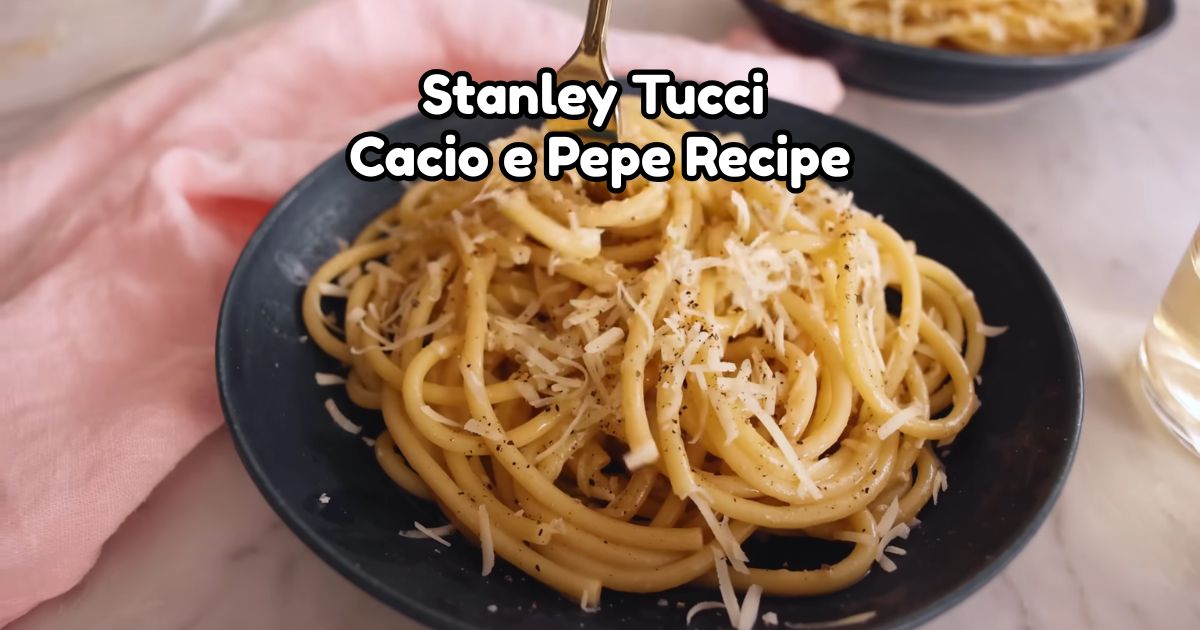
Stanley Tucci Cacio e Pepe Recipe
Stanley Tucci’s Cacio e Pepe Recipe showcases a classic Italian dish that is simple yet full of flavor. This version of cacio e pepe stands out for using just a few high-quality ingredients.
A helpful tip is to use a microplane to grate Pecorino Romano cheese. This method allows the cheese to melt smoothly and evenly, enhancing the dish without overpowering it.
Anyone can make this dish, no matter their cooking skills. It attracts those who appreciate simplicity and know that sometimes, less is more.
The Stanley Tucci cacio e pepe emphasizes the importance of technique and ingredient quality. Making cacio e pepe is not just about mixing pasta, butter, and cheese; it’s about seeing how these ingredients work together.
The process can be enjoyable, from toasting black pepper to gently whisking the sauce. As you make cacio e pepe, you can try different variations, but at its core, it reflects traditional Italian cooking. When you prepare Stanley Tucci’s cacio e pepe, you’re not just cooking; you’re connecting with culinary history.
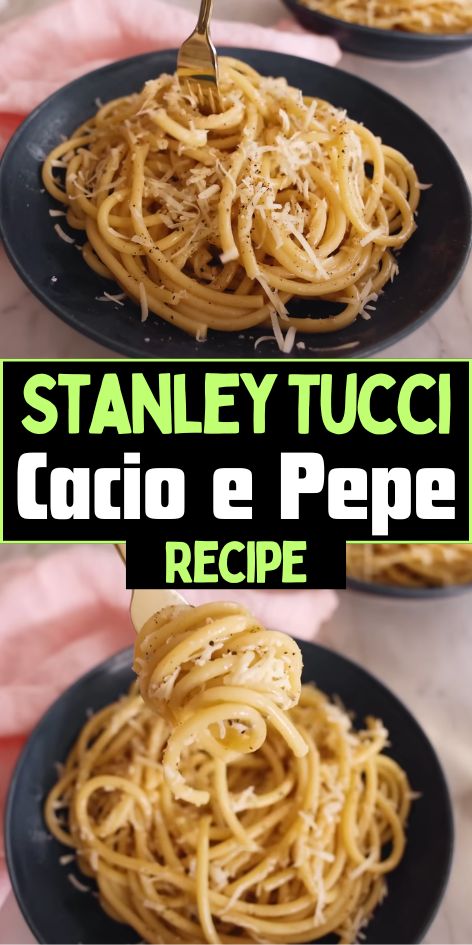
Why This Cacio e Pepe Recipe Is Worth Making
You will enjoy cacio e pepe because it combines great flavors and textures. The creamy cheese sauce feels smooth, the toasted black pepper adds a bit of crunch, and the al dente pasta gives a nice chew. Making this dish is not just about following a recipe; it’s about creating something special.
This dish is simple to make with just a few ingredients and basic cooking tools. The steps are easy: cook the pasta, make the sauce, and mix them. It fits well into a busy weeknight or a relaxed weekend. You can have it as a quick dinner or serve it to friends at a gathering.
Think about coming home after a tiring day and craving something comforting. It takes less than 30 minutes to prepare. Or imagine hosting a dinner party and wanting to impress your guests without spending hours in the kitchen. Stanley Tucci’s cacio e pepe is classy and will impress everyone.
I keep coming back to this dish because it reminds me of my travels in Italy. The simple yet rich flavors take me back to small restaurants where cacio e pepe was always a favorite. This personal connection makes cooking and sharing this dish even more special.
What Sets This Version of Cacio e Pepe Apart
This version of cacio e pepe stands out for its attention to detail. The choice of pasta and the method of adding cheese enhance flavor and texture. The final dish is much better than store-bought options. Making it from scratch lets you control the quality of ingredients and the cooking process.
Store-bought versions often lack the rich flavor that comes from toasting black pepper and whisking the sauce properly. By making it yourself, you can ensure every bite is perfect.
Toasting black pepper and cooking the butter creates a special chemical reaction called the Maillard reaction. This reaction gives browned food its unique flavor. Understanding this step is essential for making great cacio e pepe.
The steps in this recipe are important and build on each other. Skipping the toasting step means losing the flavor it adds to the sauce. If you don’t whisk the sauce carefully, it might not blend properly, leading to the cheese and butter separating.
Ingredients for Stanley Tucci Cacio e Pepe
- Bucatini (8 oz): Bucatini is the best pasta for cacio e pepe because its long, hollow shape helps the sauce stick. If bucatini is not available, you can use spaghetti instead. Store your pasta in a cool, dry place to keep its texture.
- Salt (to taste): Salt brings out the flavors of other ingredients and is important for the cooking water. Use sea salt or kosher salt for a different flavor. Be careful not to use too much salt, as it can overpower the dish.
- Unsalted butter (3 tbsp): Butter gives richness and creaminess to the sauce. You can use olive oil for a lighter option, but this will change the flavor. Always use high-quality, fresh butter for the best taste.
- Extra virgin olive oil (1 tbsp): Olive oil, used with butter, adds a fruity richness to the sauce. Choose high-quality oil with a mild flavor. Always taste your olive oil before using it to make sure it is fresh.
- Black pepper (about 50 turns of freshly cracked): Freshly cracked black pepper is key for cacio e pepe because it adds a sharp, peppery taste. You can adjust the amount to your liking, but freshly cracked pepper is essential. Use a pepper mill for the freshest flavor.
- Lemon zest (zest of ½ lemon): A little lemon zest adds brightness to the dish. You can use a squeeze of fresh lemon juice if you prefer. Zest your lemon just before using to keep the oils and flavor.
- Arugula (2 small handfuls): Arugula adds a peppery freshness that balances the richness of the cheese sauce. You can substitute spinach or kale for a different flavor. Always wash your arugula well to remove any grit.
- Pecorino Romano (1½ cups finely grated): This cheese is essential for cacio e pepe. It is sharp, salty, and crucial for the flavor. You can use Parmesan if needed, but Pecorino Romano is traditional. Grate your cheese just before using for the best taste and texture.
Kitchen Tools You Will Need
- Large skillet: For toasting peppers and making sauce.
- Large pot: For boiling pasta.
- Colander: For draining pasta.
- Whisk: For making the sauce smooth.
- Microplane: For grating cheese and zesting lemon.
- Wooden spoons: For stirring and serving.
- Pepper mill: For cracking fresh black pepper.
How to Make Stanley Tucci Cacio e Pepe
1. Boil Pasta: Bring 8 cups of water and 3 teaspoons of salt to a boil. Add the bucatini and stir often until it is al dente. Be careful not to overcook it, as it will keep cooking a bit after you drain it. Setting a timer can help.
2. Toast Black Pepper: While the pasta cooks, heat a large skillet over medium heat. Add butter and olive oil. Add black pepper and toast until lightly browned. This step is important because toasted pepper boosts the flavor. You will know it is ready when it smells nutty. Don’t let it burn, as burned pepper will make the sauce bitter.
3. Reserve Pasta Water: Once the pasta is done, save 1 ¼ cups of the pasta water before draining the bucatini. This starchy water helps make a creamy sauce. It’s good to save extra, as you can always use more later.
4. Make the Sauce: Turn off the heat under the skillet with the toasted pepper and butter. Slowly pour in the reserved pasta water while whisking, and it will combine with the butter to create a smooth sauce. Keep whisking to prevent the sauce from separating.
5. Add Cheese: Add the cheese gradually while whisking. Place the pan back on low heat and keep whisking until the cheese melts and becomes smooth. The sauce should coat the back of a spoon when it is ready. Avoid adding the cheese too quickly, as that can make the sauce grainy.
6. Combine Pasta and Sauce: Add the cooked bucatini to the sauce and toss until well coated. If needed, add more pasta water to get the right consistency. The pasta should have a creamy, cheesy sauce that is just right. As you mix, you will enjoy the aroma of toasted pepper and melted cheese.
Tips for Getting the Best Results Every Time
- Don’t Overcook the Pasta: A common mistake is cooking the pasta too long. Check it a minute or two before the package’s cooking time is up. The pasta should be firm to the bite, or al dente. Overcooked pasta becomes mushy and unappetizing.
- Get the Right Sauce Consistency: The sauce should be creamy and smooth, covering the pasta evenly. If the sauce is too thick, add some reserved pasta water to thin it out. If it’s too thin, add more grated cheese. Balance is key; the sauce should stick to the pasta without overwhelming it.
- Use Good Cheese: The cheese quality is crucial for cacio e pepe. Always use high-quality, freshly grated Pecorino Romano. Pre-grated cheese often has additives that can affect the flavor.
- Don’t Skip the Pepper: Toasting black pepper is a must. It adds depth and warmth that pre-ground pepper lacks. Use a pepper mill to grind your pepper just before adding it to the sauce for the best taste.
Easy Variations You Can Try at Home
1. Vegan Options: Vegan Cacio e Pepe is a tasty choice for those on a plant-based diet. Use vegan cheese to make it creamier than regular cheese. Swap butter for high-quality olive oil for better flavor and health benefits. You can also add sautéed mushrooms for an earthy taste and satisfying texture.
2. Spicy Cacio e Pepe: If you like some heat, try this version. Add red pepper flakes to the sauce for some spice that wakes up your taste buds. This dish goes well with garlic bread, making it a comforting meal. The spicy sauce and crunchy garlic bread create a delightful dining experience.
3. Summer Cacio e Pepe: In warm weather, Summer Cacio e Pepe is great for fresh flavors. This light version includes fresh cherry tomatoes for sweetness and basil for a refreshing taste. It results in a bright dish that feels revitalizing and is perfect for summer meals. This version lets you enjoy creamy pasta with a fresh twist, using seasonal ingredients.
4. Goat Cheese Cacio e Pepe: For a richer dish, try this version. Mix tangy goat cheese with Pecorino Romano for a unique flavor and extra creaminess. The tanginess of goat cheese complements the dish’s peppery flavor. Serve this rich version with a crisp side salad for a complete meal that delights your taste buds.
What to Serve Alongside This Pasta Dish
When you serve cacio e pepe, balance its rich cheese sauce with lighter dishes. A simple green salad with a light vinaigrette is a good choice because it cuts through the richness. For a heartier option, serve roasted chicken or pan-seared fish for protein.
You can also provide crusty bread or homemade garlic bread for dipping into the sauce. For drinks, sparkling water with lemon will refresh your palate between bites.
How to Store and Reheat Leftover Cacio e Pepe
You can keep cacio e pepe in the fridge for up to 3 days. To reheat it, use a skillet on low heat and add some reserved pasta water if the sauce is too thick. Stir until the sauce is smooth and creamy again. You can also use the microwave, but heat it in short bursts and stir each time to avoid overheating.
It’s best to make cacio e pepe right before serving, but you can prepare some parts ahead of time. Cook the pasta and toast the black pepper beforehand, but make the sauce just before mixing it with the pasta.
You can freeze cacio e pepe, but it’s not ideal because the sauce may separate when thawed, and the pasta could become mushy. If you freeze it, do this before adding arugula and lemon zest. Reheat gently on low heat, then add the ingredients just before serving.
To keep the pasta from getting mushy, reheat slowly and avoid overcooking. Adding some reserved pasta water can help keep the right texture. When using the microwave, heat in short intervals and check after each one.
Frequently Asked Questions
1. What can I use instead of Pecorino Romano cheese?
You can substitute Pecorino Romano with other hard cheeses, such as Parmesan. Just remember that the flavor will be a bit different. If you use Parmesan, adding a little more black pepper can help balance the taste.
2. How do I make this recipe for more people?
To make a larger batch, multiply all the ingredients. You might need to cook the pasta for a slightly different time if you’re making a large amount. It’s also smart to have extra pasta water on hand, as a larger sauce may need more to achieve the right texture.
3. Can I add chicken or shrimp to cacio e pepe?
Yes, you can add cooked chicken or shrimp to cacio e pepe. Just remember to adjust the sauce amount, since the protein will absorb some of it. You can also tweak the seasoning to keep the flavors balanced.
Stanley Tucci Cacio e Pepe Recipe
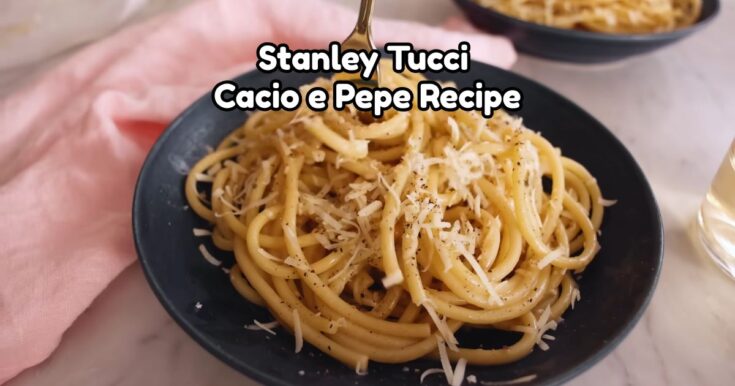
Make Stanley Tucci Cacio e Pepe at home in just 30 minutes. A simple, creamy Italian pasta recipe with bold flavor and just a few ingredients!
Ingredients
- Bucatini – 8 oz
- Salt – to taste
- Unsalted butter – 3 tablespoons
- Extra virgin olive oil – 1 tablespoon
- Freshly cracked black pepper – about 50 turns of a pepper mill
- Lemon zest – zest of ½ lemon
- Arugula – 2 small handfuls
- Pecorino Romano, finely grated – 1 and ½ cups
Instructions
- Boil Pasta: Bring 8 cups of water and 3 teaspoons of salt to a boil. Add the bucatini and stir often until it is al dente. Be careful not to overcook it, as it will keep cooking a bit after you drain it. Setting a timer can help.
- Toast Black Pepper: While the pasta cooks, heat a large skillet over medium heat. Add butter and olive oil. Add black pepper and toast until lightly browned. This step is important because toasted pepper boosts the flavor. You will know it is ready when it smells nutty. Don't let it burn, as burned pepper will make the sauce bitter.
- Reserve Pasta Water: Once the pasta is done, save 1 ¼ cups of the pasta water before draining the bucatini. This starchy water helps make a creamy sauce. It's good to save extra, as you can always use more later.
- Make the Sauce: Turn off the heat under the skillet with the toasted pepper and butter. Slowly pour in the reserved pasta water while whisking, and it will combine with the butter to create a smooth sauce. Keep whisking to prevent the sauce from separating.
- Add Cheese: Add the cheese gradually while whisking. Place the pan back on low heat and keep whisking until the cheese melts and becomes smooth. The sauce should coat the back of a spoon when it is ready. Avoid adding the cheese too quickly, as that can make the sauce grainy.
- Combine Pasta and Sauce: Add the cooked bucatini to the sauce and toss until well coated. If needed, add more pasta water to get the right consistency. The pasta should have a creamy, cheesy sauce that is just right. As you mix, you will enjoy the aroma of toasted pepper and melted cheese.
Nutrition Information:
Serving Size:
1Amount Per Serving: Calories: 520
As you finish making my Stanley Tucci Cacio e Pepe Recipe, take a moment to appreciate the process. With each step and ingredient, you’ve cooked more than a meal; you’ve explored part of Italian cuisine. My tips helped you create a delicious cacio e pepe and inspired you to make it your own.






One Comment