Jamie Oliver Pesto Recipe
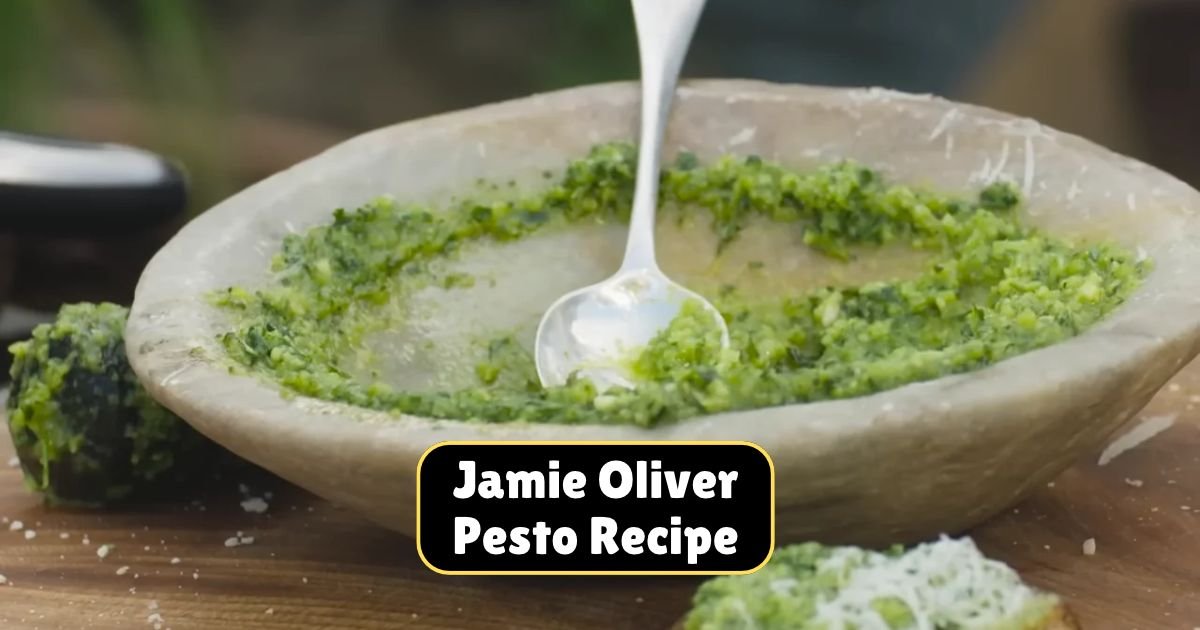
On this humid October afternoon, my windowsill basil had grown too big to ignore. I took down the mortar and tried Jamie Oliver Pesto Recipe. Store-bought pesto can sit in a jar for weeks, while blending it for too long can warm the sauce and dull its fresh flavor.
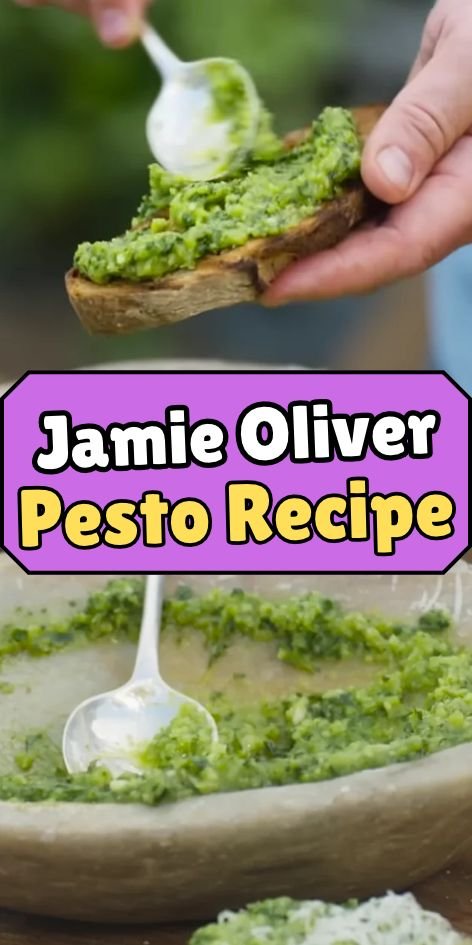
Jamie’s solution is simple: pound the ingredients by hand just before serving. That approach captures the spirit of Jamie’s Italian, the restaurant chain Jamie Oliver opened in Oxford in 2008. It became known for serving antipasti on wooden planks, and a spoonful of fresh pesto spread over warm bread fits that style perfectly.
Some Italian cooks insist that lemon has no place in pesto. Jamie leaves the choice open, and so do I. A few drops of lemon juice help keep the color bright, but leave them out if you prefer a more traditional Genovese pesto.
Why Homemade Pesto Turns Brown or Bitter
Brown pesto is one of the most common complaints when making pesto at home. Basil bruises easily, and blender blades generate heat that can damage the leaves. The cut edges also react with air, causing the pesto to lose its vibrant green color.
A stone mortar crushes the ingredients rather than slicing them, keeping the leaves cooler and helping preserve their color.
Bitterness has two main causes. A fast blender can emulsify the olive oil too aggressively, giving it a harsh taste, while scorched pine nuts add a burnt note. Toast the nuts only until they turn pale gold, and stir in the olive oil by hand.
Ingredients for Jamie Oliver Pesto Recipe
- 55 g fresh basil leaves (about 2 packed cups): Basil is the base and the reason the sauce turns green. I pick sweet Genovese leaves from my windowsill pots, but supermarket clamshell packs work. Skip bunches with black spots, which taste musty. Swap in flat-leaf parsley for half the basil when basil is pricey. The sauce turns grassier and less sweet.
- 45 g pine nuts (a scant ⅓ cup): Crushed pine nuts release oils that thicken the sauce without cream. I buy Kirkland Signature pine nuts and freeze them, since warm cupboards turn them rancid. Blanched almonds work in place of pine nuts. Use the same weight and expect a firmer, less buttery paste.
- 1 small garlic clove (about 4 g): Garlic brings the sharp bite that cuts through the oil. Pounding it with salt tames it into a paste. Pick a firm head with tight skin and no green sprout inside.
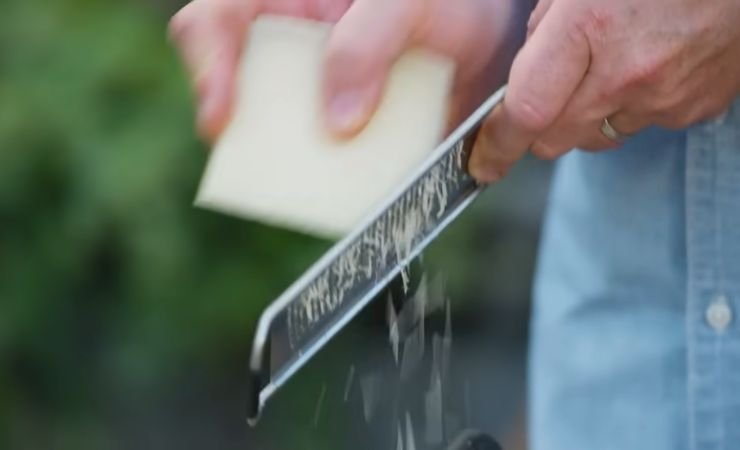
- 50 g Parmigiano-Reggiano (about ¾ cup, finely grated): The cheese adds salt and savory depth, and its fine shreds help bind the paste. I grate Kirkland Signature Parmigiano on a Microplane just before using. Pre-grated tubs stay dry and clumpy. Use half Pecorino Romano from Locatelli for a sharper tang. Skip the added salt in that case.
- 55 ml extra virgin olive oil (3 tablespoons plus 2 teaspoons): Oil loosens the paste and carries the garlic. I reach for Filippo Berio because its mild fruitiness stays out of the basil’s way. Very peppery oils turn harsh here. Swap in a light olive oil for a quieter flavor and a less grassy finish.
- A scant ¼ teaspoon flaky sea salt: Salt works as grit in the mortar, and the crystals help tear the leaves into paste. Maldon is my pick. Cut it back when the cheese is salty. Table salt works too. Use half the amount, since fine grains pack tighter.
- 6 turns of freshly ground black pepper: Pepper adds a warm back note. I grind it coarse from a Peugeot mill and add it last, so the pieces stay visible. White pepper works in place of black for a paler sauce.
- 1 teaspoon fresh lemon juice (optional): Acid slows browning and sharpens the basil. Add it by the drop, tasting between drops. Bottled juice tastes flat and tinny. Lime juice works in place of lemon and adds a floral note.
- 30 g boiled potato (optional): This nonna trick adds starch, which helps the sauce cling to pasta. I peel a waxy potato, boil it for 12 minutes in the pasta pot, and mash it fine. Skip it for toast, where the starch turns pasty. Yukon Gold mashes smoothest.
- 340 g (12 oz) dried trofie or spaghetti: Pasta carries the sauce, and rough surfaces grab it best. De Cecco spaghetti has a matte finish that works well. Save ½ cup of the cooking water before draining. Linguine works when trofie is hard to find. It holds less sauce in its shape.
Required Kitchen Equipment
- Granite mortar and pestle: Heavy, at least 6 inches.
- Small skillet: For toasting pine nuts.
- Microplane grater: Fine, fluffy cheese shreds.
- Clean kitchen towel: Dries basil leaves.
- Large pot: Pasta and potato water.
- Small rubber spatula: Scrapes the mortar clean.
How to Make Jamie Oliver Pesto Recipe
1. Toast the Pine Nuts: Set a small skillet over medium-low heat. Add the pine nuts and shake the pan for about 3 minutes. Tip them onto a cool plate once they turn pale gold. Burnt nuts taste bitter, and nothing hides that. I scorched my first batch while answering a text. Tossing them and starting over was the only fix.
2. Dry the Basil and Boil the Water: Pick the leaves, drop the thick stems, and roll the leaves in a clean towel for 20 seconds. Start the pasta water. Boil the potato in it for 12 minutes when using one.
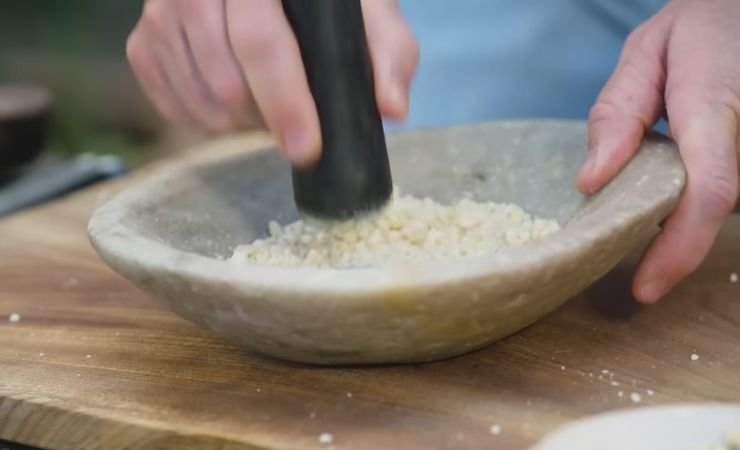
3. Pound the Garlic and Salt: Add the garlic and salt to the mortar. Pound with firm, straight taps, then grind in circles for about 40 seconds. Stop when no pieces remain and the garlic looks like wet paste.
4. Crush the Pine Nuts: Add the cooled nuts. Pound them into the garlic for 90 seconds. The mix should clump and look creamy, with a few small bits left for texture.
5. Pound in the Basil: Add one third of the leaves. Press and twist the pestle against the mortar wall for about a minute. Repeat twice more. The paste should look dark green and glossy, not soupy. Pounding too fast squirts leaves out of the bowl. Use short, steady presses and nudge stray leaves back with a spoon.
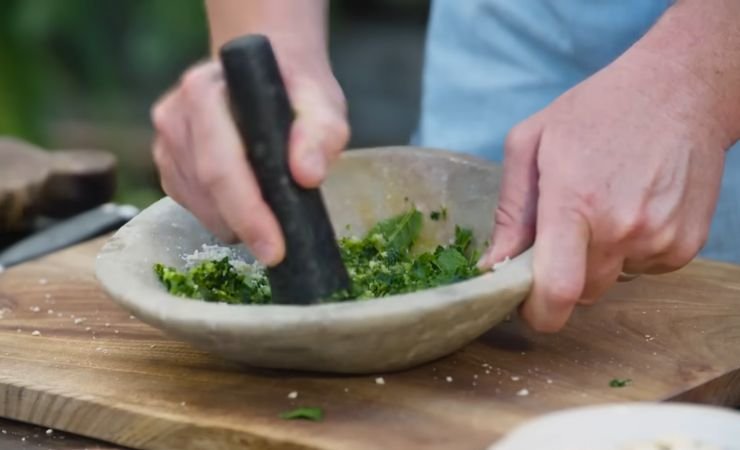
6. Fold In the Cheese: Add the grated Parmigiano and stir with the pestle for 30 seconds. The paste tightens and lightens in color. Stir in the mashed potato now when using it.
7. Loosen with Oil: Drizzle in the olive oil while stirring in a slow circle. Add it in three parts. The sauce should look thick and spoonable, like wet sand with a shine. Oil pooling on top means the sauce has split. Stir in 1 tablespoon of warm pasta water and it comes back together.
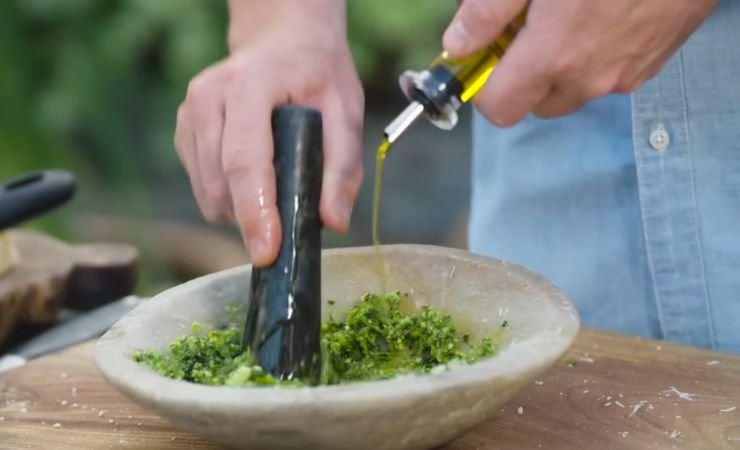
8. Season and Taste: Add the pepper and lemon juice by the drop. Taste a smear on bread. Add a tiny pinch of salt only when the cheese is mild.
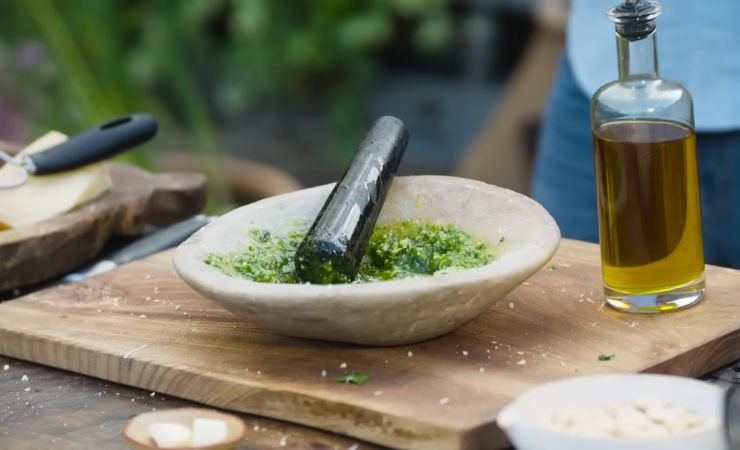
9. Toss with Hot Pasta: Cook the pasta 1 minute short of the package time. Reserve ½ cup of the water. Toss the drained pasta with the pesto and 3 tablespoons of that water, off the heat, for 30 seconds. Heat darkens basil fast, so keep the pan off the burner. My brother-in-law scraped the mortar with a heel of bread before I could.
Chef Notes for Jamie Oliver Pesto Recipe
- Flat Taste: Add a pinch of salt first, then lemon by the drop. Cheese brands vary, and Pecorino runs saltier than Parmigiano.
- Gritty Paste: Pound longer before the oil goes in. Oil makes the leaves slip, so they stop breaking down.
- Clumpy Pasta: Loosen the sauce with hot pasta water, one tablespoon at a time. Cold sauce on hot noodles seizes.
- Sharp Garlic Bite: Rest the finished pesto for 10 minutes. The edge softens as the garlic spreads through the oil.
- Sliding Mortar: Set it on a folded damp towel. A moving mortar wastes the force of every press.
- Dull Green Color: Toss the pasta off the heat and serve within minutes. Basil darkens quickly in a hot pan.
How I Customize This Jamie Oliver Pesto
1. Almond and Parsley: Swap the pine nuts for 45 g blanched almonds and use half parsley. The sauce turns firmer and greener. I stir it into warm white beans.
2. Walnut and Rocket: Use half rocket and walnuts in place of pine nuts, and Pecorino in place of Parmigiano. The rocket adds a peppery, mustardy bite. I spoon it over roasted beets.
3. Hazelnut and Mint: Replace 15 g of the pine nuts with toasted hazelnuts and add 10 mint leaves. The hazelnuts bring a rich, earthy note. It suits grilled lamb chops.
4. Cashew and Coriander: Use cashews and coriander with a squeeze of lime, following Jamie’s Asian-style idea. I toss it with cold rice noodles.
5. Tomato and Honey: Pound 8 halved cherry tomatoes in with ½ teaspoon of honey. The sauce turns sweeter and a little jammy. I pile it on toasted crostini.
6. Pistachio and Lemon Zest: Swap in pistachios and add the zest of half a lemon. The zest brightens the green sauce. I fold it through a cold pasta salad.
What I Serve With Jamie Oliver Pesto
Pasta is the natural partner. Trofie holds the sauce in its twists, and spaghetti works well too. For the Ligurian way, add 120 g of sliced waxy potato to the pot. Drop in a handful of green beans for the last 5 minutes.
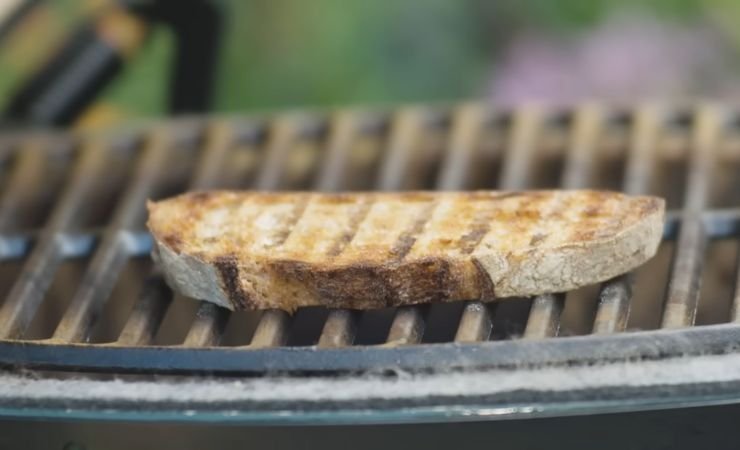
Bread is the other easy route. Spread it on grilled sourdough rubbed with a cut tomato, or dollop it onto a soft-boiled egg. Chicken thighs roasted at 220°C (425°F) for 35 minutes also take a spoonful on top.
A spoonful also lifts a plain bowl of minestrone just before serving. Add it off the heat so the basil stays bright and the broth does not turn murky.
How I Store Jamie Oliver Pesto
Pesto keeps best in a small glass jar with a tight lid. Press the surface flat with a spoon and pour a thin layer of olive oil on top, about 1 tablespoon. This blocks air and slows browning.
Keep it in the fridge for up to 4 days. Take it out 15 minutes before using, since cold oil turns thick and waxy.
For longer storage, freeze it in an ice cube tray, then move the cubes to a zip bag. Frozen pesto holds for 3 months. Each cube holds about 1½ tablespoons, so two cubes coat 85 g of dry pasta.
Jamie Oliver Pesto Recipe FAQs
1. Is this pesto spicy?
Not really. The only heat comes from the raw garlic and 6 turns of pepper. Add ⅛ teaspoon of chili flakes with the garlic for a gentle kick.
2. Can I make it nut-free?
Yes. Toast 45 g hulled sunflower seeds for 3 minutes and use them in place of pine nuts. The paste turns slightly earthier and a shade darker.
3. Can I skip the cheese for a vegan version?
Yes. Use 2 tablespoons nutritional yeast and an extra pinch of salt. The sauce loses some of the creamy cling that cheese gives, so add the potato.
4. Can I use dried basil?
No. Dried basil has lost its fresh oils and gives a dusty paste. Fresh leaves are the only option here.
5. Does the type of mortar matter?
Yes. Granite and marble have rough surfaces that grip leaves. Wood absorbs garlic oils, and smooth ceramic lets leaves slide away from the pestle.
6. Can I use pesto as a pizza sauce?
Spread 1 tablespoon on a 25 cm pizza after baking. High oven heat darkens basil quickly, so adding it raw at the end keeps it green.
Pound the basil in batches, add the cheese last, and keep the bowl cool. Next time, try the hazelnut and mint version over grilled lamb.
Jamie Oliver Pesto Recipe
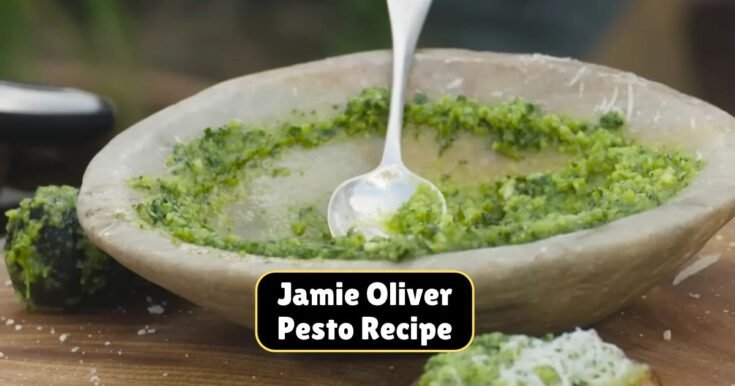
Jamie Oliver Pesto Recipe pounded by hand in a mortar, with boiled potato for cling and no blender heat. Ready in 25 minutes.
Ingredients
- 55 g fresh basil leaves
- 45 g pine nuts
- 1 small garlic clove
- 50 g Parmigiano-Reggiano, finely grated
- 55 ml extra virgin olive oil
- A scant ¼ teaspoon flaky sea salt
- 6 turns of freshly ground black pepper
- 1 teaspoon fresh lemon juice (optional)
- 30 g boiled potato (optional)
- 340 g dried trofie or spaghetti
Instructions
- Toast the Pine Nuts: Set a small skillet over medium-low heat. Add the pine nuts and shake the pan for about 3 minutes. Tip them onto a cool plate once they turn pale gold. Burnt nuts taste bitter, and nothing hides that. I scorched my first batch while answering a text. Tossing them and starting over was the only fix.
- Dry the Basil and Boil the Water: Pick the leaves, drop the thick stems, and roll the leaves in a clean towel for 20 seconds. Start the pasta water. Boil the potato in it for 12 minutes when using one.
- Pound the Garlic and Salt: Add the garlic and salt to the mortar. Pound with firm, straight taps, then grind in circles for about 40 seconds. Stop when no pieces remain and the garlic looks like wet paste.
- Crush the Pine Nuts: Add the cooled nuts. Pound them into the garlic for 90 seconds. The mix should clump and look creamy, with a few small bits left for texture.
- Pound in the Basil: Add one third of the leaves. Press and twist the pestle against the mortar wall for about a minute. Repeat twice more. The paste should look dark green and glossy, not soupy. Pounding too fast squirts leaves out of the bowl. Use short, steady presses and nudge stray leaves back with a spoon.
- Fold In the Cheese: Add the grated Parmigiano and stir with the pestle for 30 seconds. The paste tightens and lightens in color. Stir in the mashed potato now when using it.
- Loosen with Oil: Drizzle in the olive oil while stirring in a slow circle. Add it in three parts. The sauce should look thick and spoonable, like wet sand with a shine. Oil pooling on top means the sauce has split. Stir in 1 tablespoon of warm pasta water and it comes back together.
- Season and Taste: Add the pepper and lemon juice by the drop. Taste a smear on bread. Add a tiny pinch of salt only when the cheese is mild.
- Toss with Hot Pasta: Cook the pasta 1 minute short of the package time. Reserve ½ cup of the water. Toss the drained pasta with the pesto and 3 tablespoons of that water, off the heat, for 30 seconds. Heat darkens basil fast, so keep the pan off the burner. My brother-in-law scraped the mortar with a heel of bread before I could.
Nutrition Information:
Serving Size:
1Amount Per Serving: Calories: 540